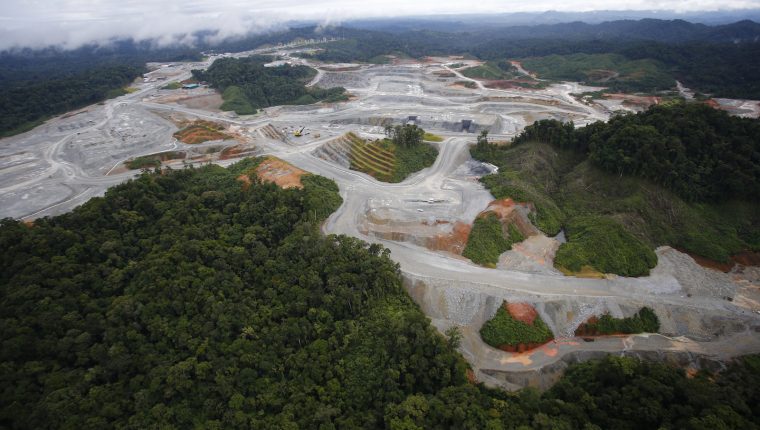

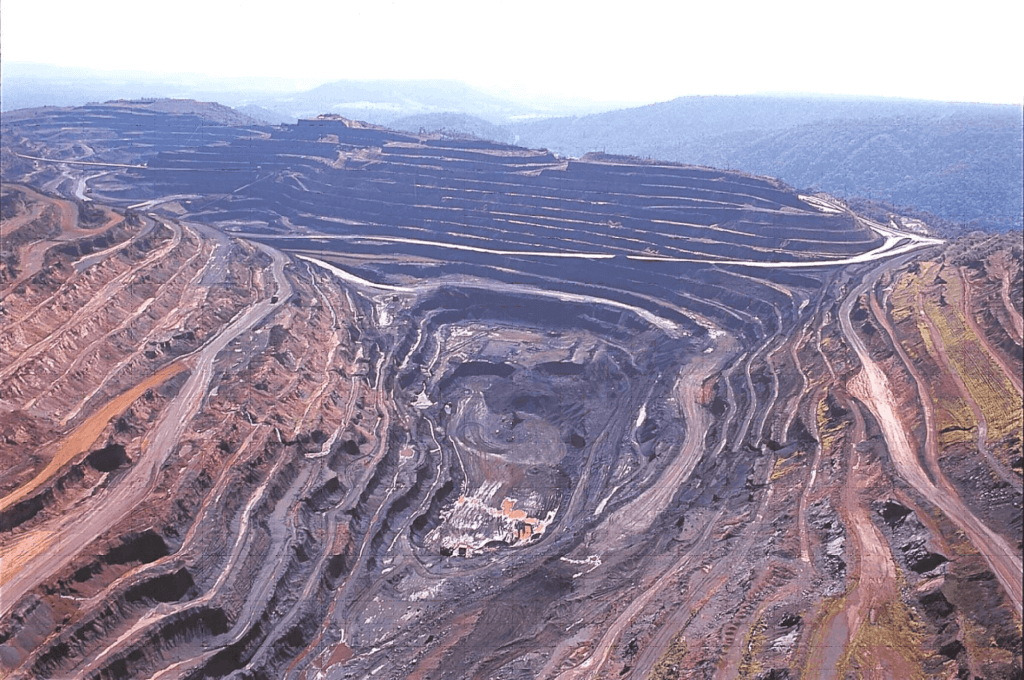
Vale chief executive Gustavo Pimenta says the absence of federal implementing rules for caves is affecting copper and iron projects in Brazil and could also reach rare-earth development. The company wants an operational framework for classifying cavities by environmental relevance. The issue is especially important in the Carajás mineral province in Pará, where ore bodies and underground formations occupy the same landscape.
Projects cited include the Alemão copper deposit and the S11C iron-ore project. Vale estimates Alemão would require R$8 billion to R$10 billion, illustrating the scale of investment awaiting decisions. Its proposal is to preserve caves of maximum relevance while allowing impacts, with compensation, in cavities classified as having low importance or no significant biodiversity.
A key precedent shapes the controversy. Decree 10.935 of 2022 allowed irreversible impacts on maximum-relevance caves when a project was deemed to serve the public interest. Brazil's Supreme Federal Court suspended crucial provisions and restored the prohibition on irreversible harm to those caves and their areas of influence; the full court confirmed the interim decision in 2024.
Brazilian rules divide caves into maximum, high, medium and low relevance using ecological, biological, geological, hydrological, palaeontological, scenic, historical, cultural and socioeconomic attributes. ICMBio says the joint instrument needed to implement parts of that classification has still not been issued. The gap does not remove environmental duties, but it increases uncertainty over studies, deadlines and licensing decisions.
Caves are not empty spaces. They may contain endemic species, preserve climate records and fossils, protect archaeological remains and contribute to aquifer recharge and circulation. A cavity where a short survey finds few organisms is not necessarily expendable: seasonality, underground connections and incomplete sampling can conceal functions that would be lost permanently if it were destroyed.
BNDES president Aloizio Mercadante has supported a solution reconciling production and protection. A Vale and Accenture report also calls for standardized criteria, simpler processes and stronger capacity at Ibama, Iphan, Funai and state agencies, aiming to shorten major-project development from fifteen years to eight or ten. Faster decisions, however, depend on complete applications and technical staffing as much as regulatory change.
A credible solution needs independent classification, public data, consultation with affected communities and clear boundaries between impacts that can be offset and assets that cannot be replaced. Performance should track time by stage, inventory quality, cumulative impacts and compliance with compensation, not only permits issued. Demand for copper and iron for infrastructure and the energy transition does not make the underground disposable; it raises the duty to decide on evidence before accepting irreversible loss.