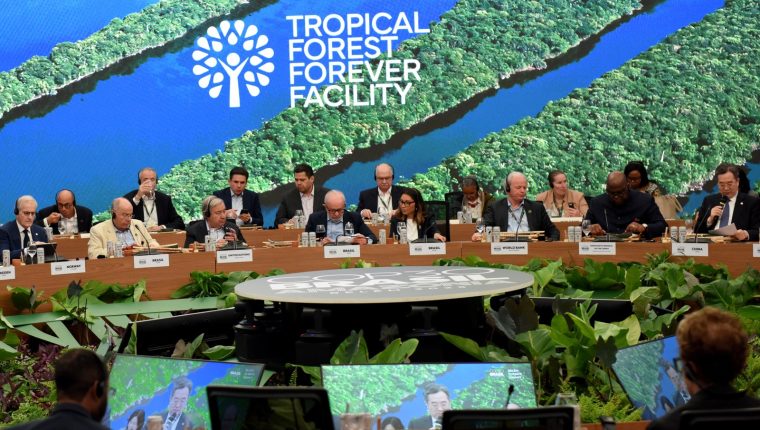

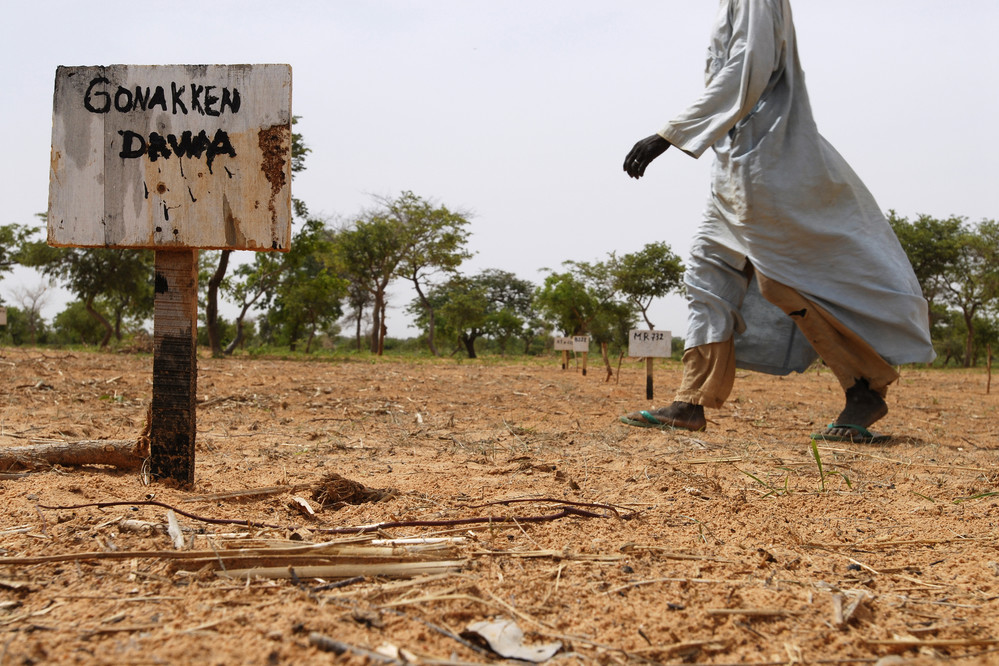
COP16 of the United Nations Convention to Combat Desertification, held in Riyadh, Saudi Arabia, placed land degradation at the center of the environmental and development agenda. Under the theme "Our Land. Our Future", the summit brought together governments, scientists, communities, organizations and the private sector to discuss how to restore soils, confront droughts and finance action in vulnerable regions.
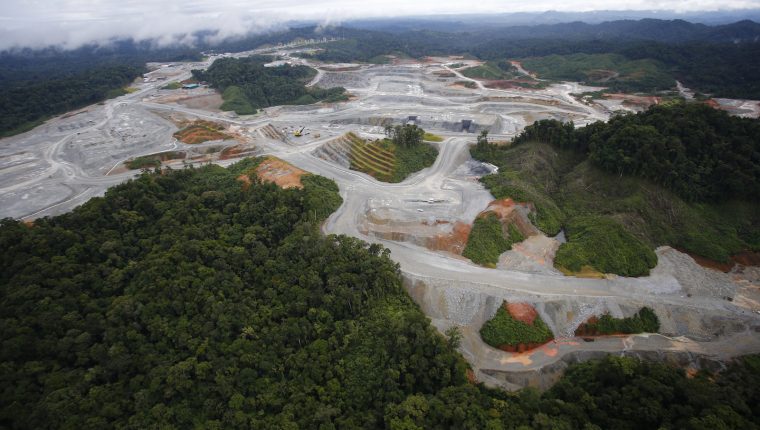
The debate came at a critical moment. Land degradation affects food security, water availability, biodiversity, public health, rural economies and social stability. It also intensifies migration, conflicts over resources and climate vulnerability. Desertification is no longer a peripheral issue affecting arid zones only; it has become a strategic question of sustainable human development.
One of the most visible outcomes was the announcement of more than USD 12 billion in financial commitments for land restoration and drought resilience, with special attention to vulnerable countries. The summit also promoted stronger participation by Indigenous Peoples and local communities, continued the Convention’s science-policy interface and reinforced the role of nature-based solutions.
Yet COP16 also showed the limits of international governance. Countries failed to close a binding global agreement on drought, one of the central demands from the most exposed regions. The discussion will continue toward COP17, scheduled for Mongolia in 2026, where the world will again debate whether it needs a voluntary framework or a stronger legal protocol to anticipate and respond to droughts.
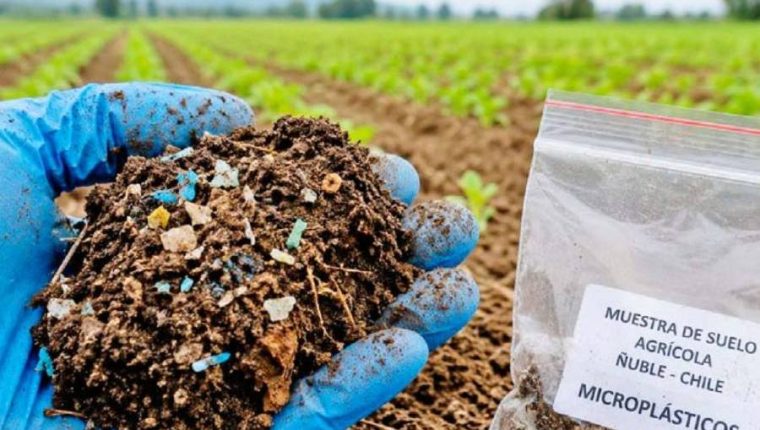
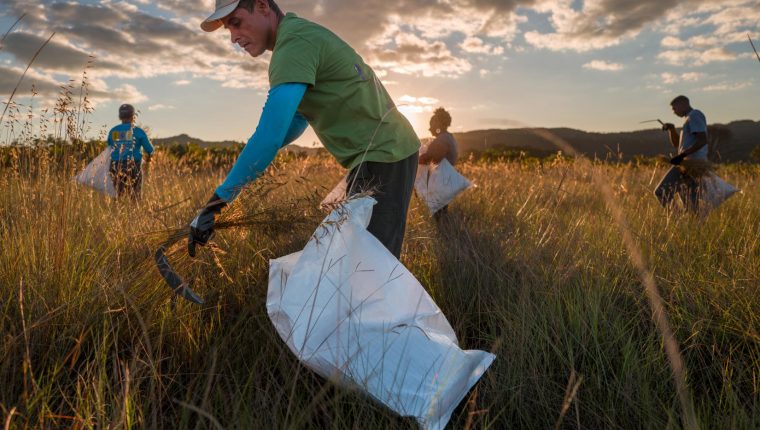
Land restoration cannot be reduced to planting trees. It requires watershed management, soil recovery, agroforestry, grassland protection, erosion control, territorial planning, moisture monitoring, water management and participation by producers and communities. When these actions are integrated, they can improve productivity, biodiversity and climate resilience at the same time.
For Latin America, the agenda is direct. The region combines tropical forests, grasslands, wetlands, arid zones, intensive agricultural systems and rural communities that depend on soil health. In Argentina, land degradation cuts across debates on native forests, watersheds, livestock, agriculture, wildfires, droughts, water infrastructure and territorial roots.
The central lesson from Riyadh is that environmental policy must operate with data, financing and continuity. General commitments are not enough: degradation inventories, early warning systems, economic instruments, technical assistance, measurable restoration and state capacity are needed to support those who produce and live in affected territories.
From Fundación Argentina ASE’s perspective, COP16 confirms that soil, water, biodiversity and production form a single agenda. Protecting land means protecting communities, food, employment and ecosystems. Restoration must be treated as public infrastructure for sustainable human development, with applied science, international cooperation and permanent territorial presence.