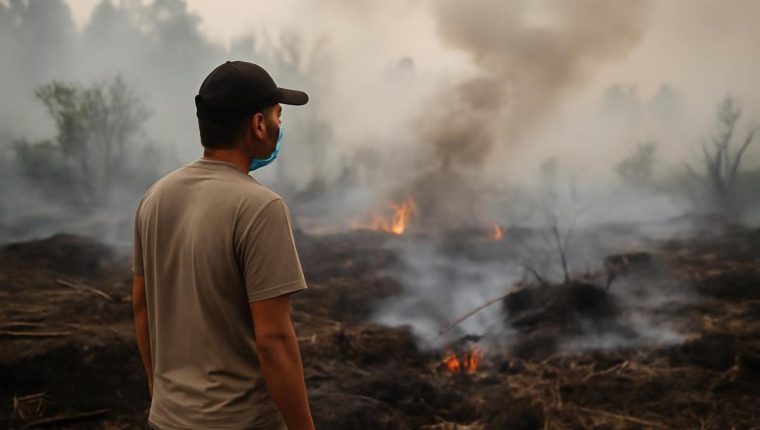
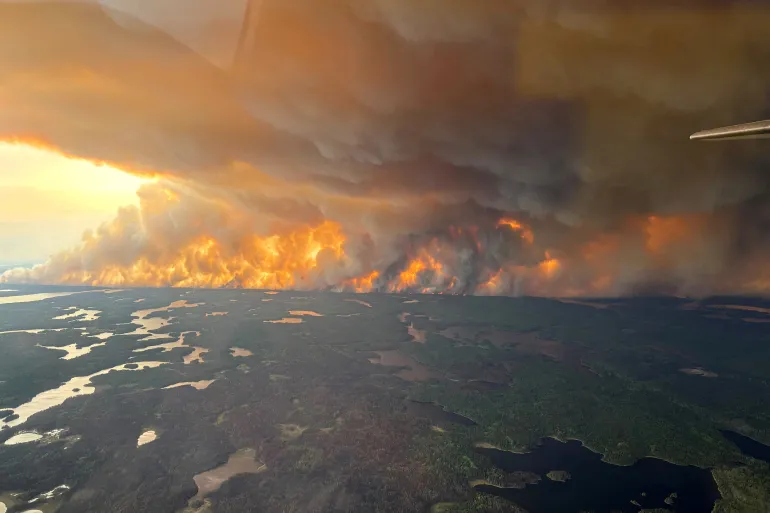
Smoke from wildfires burning in northern Ontario, Canada, has spread across the United States, causing widespread deterioration in air quality. More than 180 active fires are generating a smoke plume affecting millions of people from Minnesota to New York[reference:15].
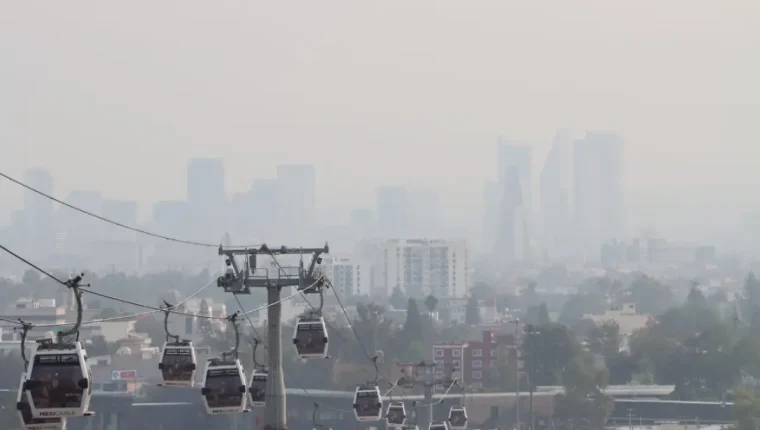
The situation is particularly severe in the Midwest. On Thursday evening, Chicago recorded the worst air quality in the world, followed by Detroit and Minneapolis, according to IQAir's global ranking[reference:16]. In New York City, the sky took on an orange hue and the air had an acrid smell, leading local officials to urge residents to limit their outdoor exposure[reference:17].
New York City Mayor Zohran Mamdani warned that Thursday would be the worst day of the event, with pollution levels considered "unhealthy" for the entire population, not just at-risk groups[reference:18]. NASA reported that winds carried the smoke southeast, tinting the sky gray and yellow across much of the Midwest and Northeast[reference:19].
Air quality alerts have been issued for at least 20 states, including New York, Pennsylvania, Ohio, Michigan, Illinois, Wisconsin, Indiana, and as far as Washington DC[reference:20][reference:21]. In parts of Pennsylvania, Michigan, Ohio, Illinois, Wisconsin, and Minnesota, air quality was rated as "hazardous", with officials urging residents to stay indoors[reference:22].
The National Weather Service warned that smoke would be densest during the afternoon and evening, reducing visibility[reference:23]. In response, New York Governor Kathy Hochul announced the distribution of more than 100,000 N95 masks to affected counties, with additional supplies at train stations[reference:24].
New York officials noted that this could be the most significant smoke event since 2023, although current conditions do not reach the peaks of that year[reference:25]. Smoky conditions are expected to persist through Friday and possibly into the weekend, with rain forecast for Saturday[reference:26][reference:27].
Massachusetts Senator Ed Markey linked the event to the climate crisis, stating that "with a record El Niño forecast for this year, we are looking at more wildfire smoke days ahead"[reference:28]. Meteorologists warn that the Great Lakes region currently has some of the worst air quality in the world due to wildfire smoke[reference:29].