
Brazil has launched its 2024–2035 Climate Plan as the central instrument for delivering the Nationally Determined Contribution submitted under the Paris Agreement. It seeks to cut net emissions 59% to 67% from 2005 levels by 2035 — bringing them to between 850 million and 1.05 billion metric tons of carbon dioxide equivalent — and to place the country on a path toward climate neutrality in 2050.
The Civil House and the Ministry of Environment and Climate Change coordinated the strategy with more than 25 ministries and public consultation. It is structured around mitigation, adaptation and cross-cutting policies for finance, governance, monitoring and a just transition, allowing the national target to be translated into plans for land use, energy, industry, transport, agriculture and cities.
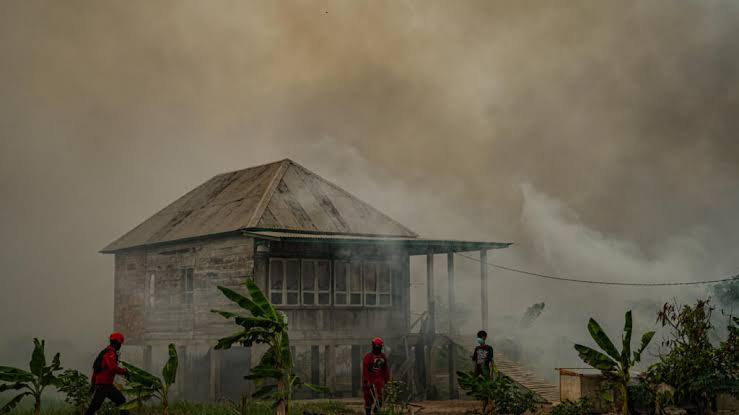
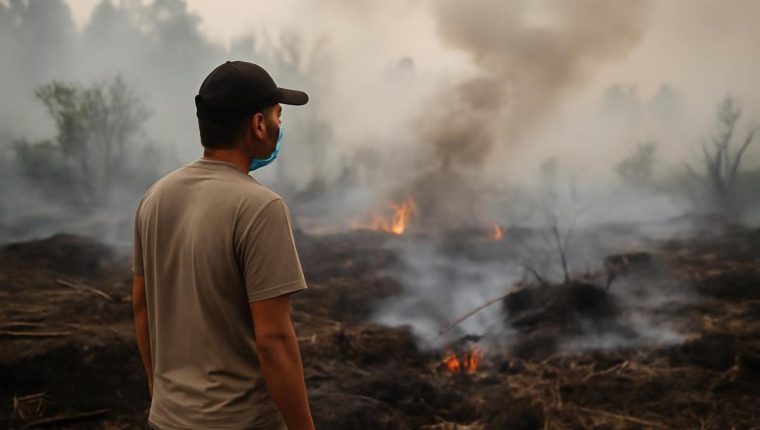
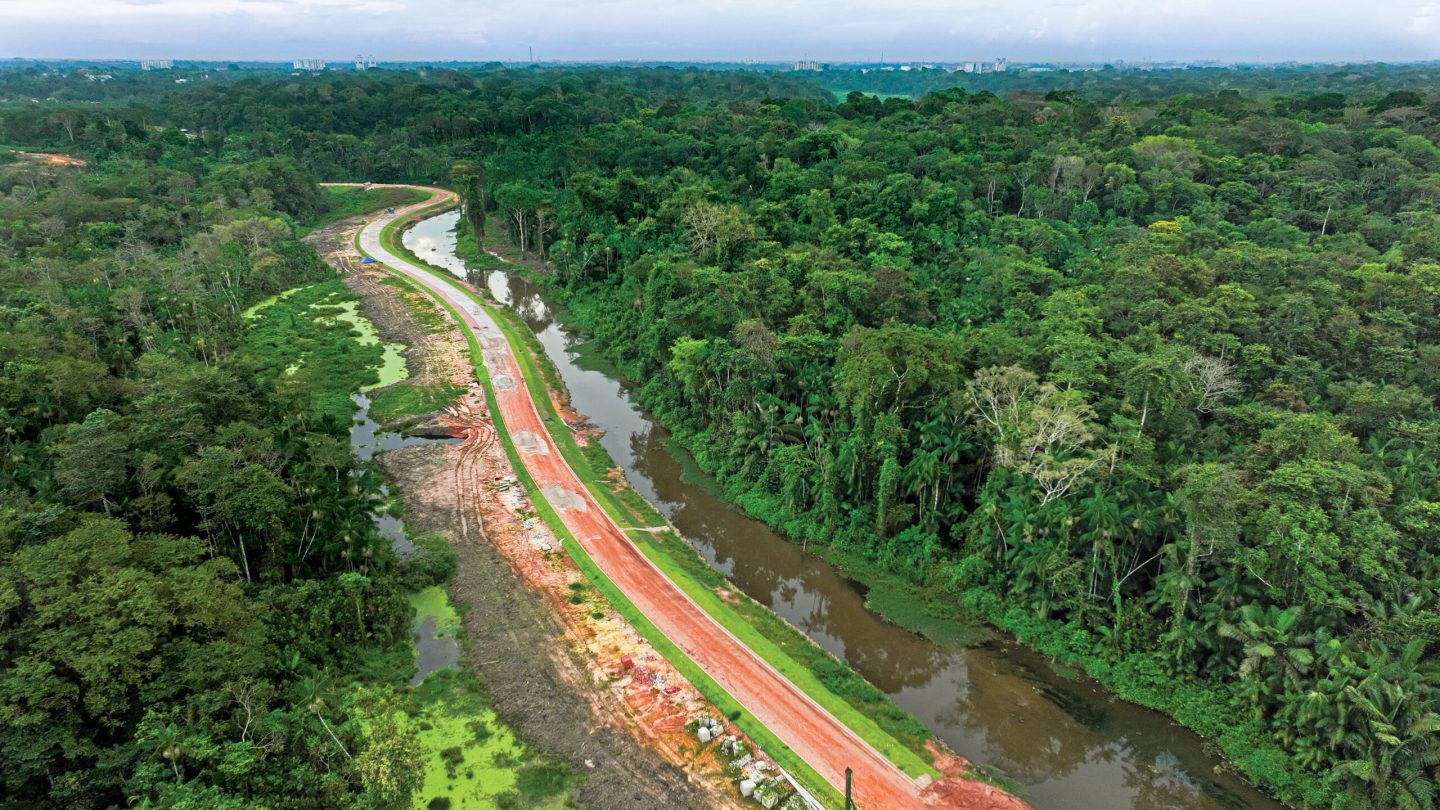
Forests again sit at the center of the reduction effort. The plan calls for eliminating emissions from deforestation in public forests by 2030, demarcating 4.5 million hectares of Indigenous territories and creating more than 4 million hectares of new conservation units by 2027. Protecting these lands is climate policy because it avoids emissions while preserving carbon stocks, water and biodiversity.
That ambition coexists with far less demanding sector pathways. For agriculture and livestock, the scenario projects emissions 1% higher in 2030 than in 2022 and a 2035 range extending from a 7% reduction to a 2% increase. The width of that range shows how much the result will depend on productivity, pasture recovery, control of expansion and effective adoption of lower-emission technologies.
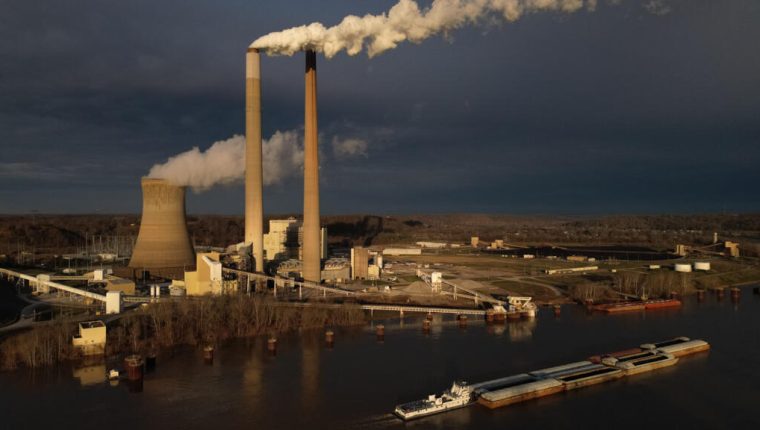
The clearest contradiction is in energy. The plan's projections allow emissions to rise 33% by 2030 and as much as 44% by 2035 from 2022, linked to expanding fossil fuels and biofuels, even as the electricity mix remains about 86% renewable. Predominantly clean electricity cannot by itself offset growth in oil, gas and fuels consumed outside the power system.
Environmental groups welcome Brazil's integration of mitigation and adaptation but criticize the absence of a concrete roadmap to reduce fossil-fuel production and consumption. The government has announced a dedicated energy-transition plan while continuing to explore new reserves; that tension will determine whether the Climate Plan spreads the effort across the economy or leaves forests carrying most of the national burden.
Implementation and verification now become decisive: budgets, interim sector targets, completed land demarcations, new protected areas and public monitoring systems. If energy and farming emissions grow within the projected ranges, Brazil will need extraordinary and lasting results against deforestation; if those sectors also cut emissions, the 2035 target will be less exposed to fires, regulatory reversals and political change.